How I Scaled a Multi-Channel Marketing Strategy Using Data-Driven Decisions
A detailed guide on integrating Google Ads, Meta Ads, and email marketing, using analytics to optimize campaigns and maximize LTV.

Turn SEO Audits into Professional Sales Decks Instantly
Built exclusively for agencies that sell SEO.
Scaling isn't just about spending more. It’s about orchestration. Here is how I integrated Google, Meta, and Email into a unified engine that maximized LTV.
The "Silo" Problem
Early in my career, I treated every channel as an island. Google Ads was for intent, Facebook was for awareness, and Email was for retention. I had separate reports, separate budgets, and separate goals for each.
This works when you're spending $5k a month. But when I tried to scale a client to $100k/month, the efficiency tanked. Why? Because I was bidding against myself, over-saturating the same audience, and failing to understand the cross-channel journey. The Customer Acquisition Cost (CAC) skyrocketed.
I realized that to scale, I needed a Multi-Channel Marketing Strategy that was data-driven and integrated. Here is the exact blueprint I used to turn things around.
1. Data Unification: The Foundation
You cannot optimize what you cannot track across platforms. The first step was breaking down the data silos.
UTM Consistency
It sounds basic, but 90% of accounts have messy tracking. I standardized a UTM hierarchy across all channels.
utm_campaign always matched the offer name.
utm_source was strictly defined.
utm_content was used to differentiate creative types (video vs. image).
Tool Requirement: I use a UTM Generator to enforce this consistency. If a link isn't tagged correctly, it doesn't go live. Period.
2. The "Relay Race" Strategy
I stopped treating channels as competitors and started treating them like runners in a relay race.
Leg 1: Meta Ads (The Spark)
We used Facebook and Instagram ads for broad targeting and interest-based prospecting. The goal wasn't immediate conversion (though that's nice), but cheap traffic and video views. We built large custom audiences of people who watched 50% of our videos or visited the blog.
Leg 2: Google Ads (The Anchor)
Once users were aware of the brand, they would inevitably search for it. We dominated the branded search terms on Google. But we also ran RLSAs (Remarketing Lists for Search Ads). If someone from the "Facebook Video View" audience searched for a generic term like "best marketing software", we bid +50% higher because we knew they were already warm.
Leg 3: Email (The Closer)
We used lead magnets on both Facebook and Google to capture emails early. Then, we used automated flows to nurture them. The key was personalization. If they came from a Facebook ad about "Scaling," they went into the "Growth" email sequence. If they came from a Google search about "Pricing," they went into the "Sales" sequence.
Analysis Deep Dive: For a detailed comparison of the paid channels, read my Google Ads vs Meta Ads Case Study.
3. Optimizing for LTV, Not Just CAC
The biggest unlock came when we stopped optimizing for the first sale. We analyzed our data and found that customers who came from Google Ads had a 20% higher Lifetime Value (LTV) than those from Meta, even though their initial CAC was higher.
Using an LTV Estimator, we calculated that we could afford to pay $100 for a Google customer but only $70 for a Meta customer. We adjusted our bids accordingly.
This is where most marketers fail. They try to get the lowest CPA everywhere. But not all customers are equal. Scaling requires you to pay more for better customers.
4. Cross-Channel Attribution
Attribution is messy. Facebook claims credit for everything; Google claims credit for everything. If you add up their reports, you have 200% of your actual sales.
I implemented a "Source of Truth" model using a third-party analytics tool and server-side tracking. We looked at:
- First Touch: Which channel creates the awareness? (Usually Meta/YouTube)
- Last Touch: Which channel closes the deal? (Usually Google/Email)
- Time Decay: Giving credit to interactions closer to conversion.
We found that shutting off "low ROI" Facebook awareness campaigns caused our Google Search volume to drop by 40% two weeks later. The ecosystem is connected.
5. Testing Creative Across Channels
We unified our creative strategy. A winning hook on TikTok was immediately turned into a YouTube Short. A high-CTR image on Instagram was resized for Google Discovery ads.
This recycling strategy saved us thousands in production costs and allowed us to scale winning concepts faster. We also used A/B testing religiously to refine messages.
Tool Tip: To validate statistical significance, I always use an A/B Test Calculator. Don't trust your gut; trust the p-value.
6. Data-Driven Decisions: The Weekly Rhythm
Scaling isn't a "set it" activity. We had a weekly sprint meeting with specific questions:
1. Which channel is under-pacing budget? Why?
2. Is the blended ROAS (Return on Ad Spend) healthy?
3. Are we seeing ad fatigue on Meta? (Frequency > 3)
4. What is the email open rate for new leads?
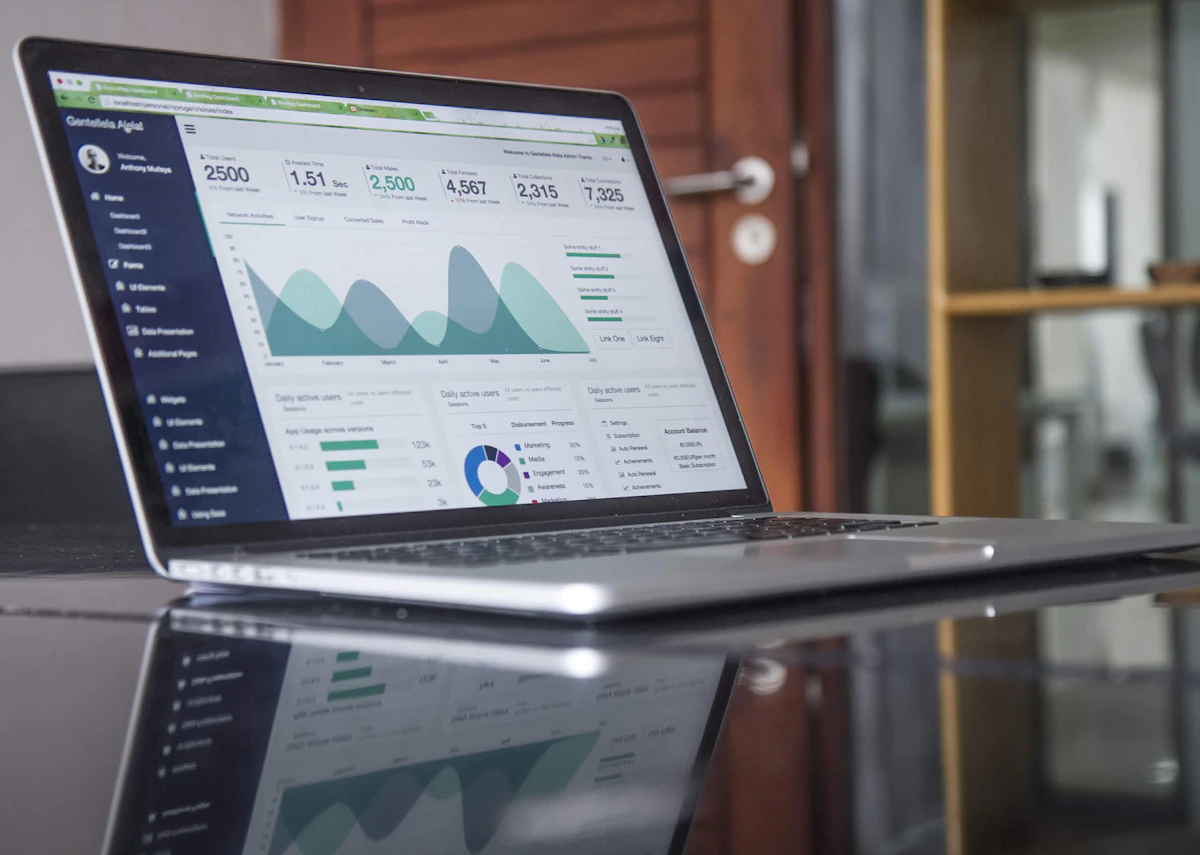
We tracked everything in a master dashboard that wasn't just pretty charts—it was actionable alerts. If CPA spiked on Facebook, we knew to rotate creative. If Google Impression Share dropped, we knew to check competitor bids.
Conclusion
Scaling a multi-channel strategy is about balance. You need the aggression of paid media balanced with the nurturing of email and the intent capturing of search. When you get the mix right, 1+1+1 doesn't equal 3. It equals 10.
Don't be afraid to spend money to acquire data. The lessons you learn from your first $10k in spend will pave the road for your first $1M in revenue.
Stop Guessing, Start Scaling
Multi-channel marketing is complex, but the data doesn't lie. Use my tools to calculate your LTV and plan your next move.
Turn SEO Audits into Professional Sales Decks Instantly
Built exclusively for agencies that sell SEO.